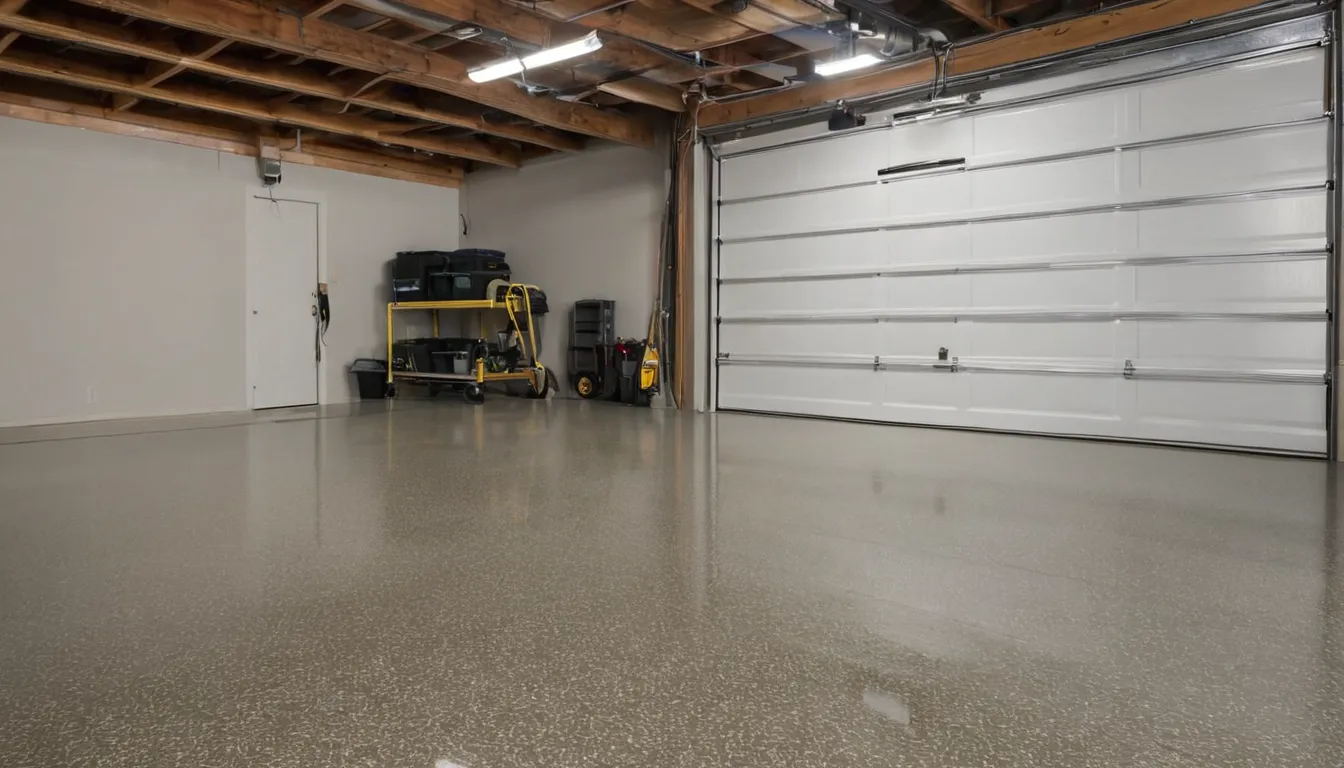
Many homeowners think polyaspartic is just epoxy with a new name. In practice, it is a different chemistry. It cures in hours, resists sunlight and handles cold better. That makes it a popular choice for garages that cannot sit empty for days.
Aiylw Floor Coating is a referral service. We do not coat floors. We connect homeowners in Elgin and the Elgin area with independent providers in our network who do the work. A well-prepared slab protects your home and its resale story. Request an estimate, compare what each provider suggests, and pick the plan that fits your floor and your schedule.
Myth: Polyaspartic Is Just Fast Epoxy
A lot of people think polyaspartic is epoxy with a fresh label. In practice, they are cousins, not twins. Polyaspartic is a quick-curing coating that a local provider applies over a prepared slab. It shines when you want a finished floor without giving up your garage for a week.
Need Your Garage Back Quickly?
This is the main reason homeowners ask about polyaspartic. Many systems set up in hours instead of days. A provider may finish grinding, coating and topcoat in one or two visits. Light foot traffic can often return within a day, and vehicles come later. Ask the provider for the exact schedule for the product they use.
Speed helps for another reason. A bare slab keeps taking hits while you wait. Oil soaks in within hours. Road salt sits on the surface for weeks. Each freeze and thaw widens tiny cracks. A shorter project means less time exposed.
Request Help
Myth, Then Reality: Fast Cure Means Easy Job
Myth: a fast coating forgives a rushed floor. Reality: it is the other way around. Prep decides everything. The material gets tacky quickly, so there is little time to fix a missed spot. A provider who grinds well, vacuums the dust and plans each pass will deliver a floor that lasts. A rushed job can show peeling or roller lines within weeks.
How Polyaspartic Differs From Epoxy
Both give you a hard, sealed surface. The differences show up in the details:
- Cure time: polyaspartic sets in hours. Epoxy often needs a few days.
- Sunlight: polyaspartic tends to stay clear. Epoxy can yellow near an open garage door.
- Cold days: many polyaspartic products cure at lower temperatures than epoxy.
- Working time: polyaspartic gives installers less time to work, so skill matters more.
- Price: polyaspartic usually costs more per square foot.
If you are comparing epoxy garage floors with polyaspartic, weigh your schedule, sunlight and budget, not just the name on the bucket.
Full Polyaspartic or Hybrid System?
A full system uses polyaspartic for the primer, color coat and clear coat. A hybrid uses an epoxy base with a polyaspartic topcoat. The hybrid can cost less and still gives you a UV-stable, scratch-resistant top layer. The full system cures faster and goes on thinner.
A provider can look at your slab and tell you which fits. Ask why they suggest it.
The Installation Process
Here is a typical order of work, with rough timing:
- First hour: the provider clears the area, checks cracks and tests the slab for moisture.
- Early hours: diamond grinding opens the surface. Cracks and joints get filled.
- Midday: the base coat goes down, and flakes are broadcast by hand while it is wet.
- Later: a clear topcoat seals the flakes and the color.
- Next day or so: light foot traffic returns. Cars wait for the time the provider gives you.
Exact timing varies with the product, the weather and the slab.
Request a callback to check provider availability. Calls are answered Monday to Friday, 9am to 9pm ET.
Request Help
Where Polyaspartic Works Well
Garages are the obvious fit. Many providers also coat porches, covered patios, workshops, entry steps and basement floors that test dry.
Basements need extra care. Many homes here have full basements with sump pumps. Myth: a coating stops moisture by itself. Reality: moisture pushing up from below can lift a coating off the slab. A good provider tests first and tells you what they find.
Weather and Timing
Cold winters with deep frost mean a garage slab can stay cold for months. Some products tolerate that, but the slab must be dry and within the provider's temperature range.
Hot, humid summers shorten working time. Many providers start early in the morning. Severe thunderstorms and hail can blow rain through an open door, so providers watch the forecast. After spring flooding, let the slab dry fully before any coating goes on. Fall is often a calm window.
Choosing Colors and Flake Blends
Myth: a dark solid color hides dirt. Reality: it shows dust, footprints and water spots. A flake blend in gray, tan or charcoal hides them far better.
A full flake broadcast gives a busy, forgiving look. A light broadcast lets more base color show. Some providers also offer custom floor finishes, such as metallic tones, stripes or borders. Look at samples in your own garage light before you decide.
Protect the Slab, Protect the Home Value
Buyers notice a garage floor. A clean, sealed surface says the home has been looked after. It also keeps grit and road salt from being tracked inside. If you plan hardwood flooring installation indoors, a tidy garage entry helps protect those new floors.
A coating is not a fix for structural cracks. If the slab is moving, say so early and ask the provider what they see.
Caring for a Polyaspartic Floor
- Sweep or dust mop weekly.
- Wipe spills when you see them.
- Mop with mild cleaner and water. Skip harsh solvents.
- Use mats under jack stands and heavy tool chests.
- Rinse winter salt off in the morning, not next week.
Questions to Ask the Installer
- How will you prep the slab, and how will you test for moisture?
- Is this a full polyaspartic or a hybrid system?
- What is the cure schedule for foot traffic and vehicles?
- What warranty comes with the work, and what does it cover?
- What happens if the slab shows problems once grinding begins?
Ready to Compare Estimates?
Ask two or three providers in our network for written quotes. Compare the prep plan, not just the price.
Request Help
What's Included
Slab Grinding
Diamond grinding opens the concrete so the coating can grip and last through winters.
Crack and Joint Fill
Providers fill cracks and control joints so they do not telegraph through the finished floor.
Color and Flake Layer
A pigmented base with decorative flakes hides dust, tire marks and small scuffs.
UV Topcoat
A clear polyaspartic finish seals the floor and resists sunlight and scratches.
Typical Polyaspartic Floor Coating Costs in the U.S.
Prices vary with slab condition, system type and local labor. These are typical U.S. ranges only. Polyaspartic usually costs more than basic epoxy, so get a written quote that lists every step.
| Item | Typical range | Notes |
|---|
| Single-car garage (about 200 sq ft) | $1,500 – $3,000 | Full system with flakes and clear topcoat |
| Two-car garage (about 400 sq ft) | $3,000 – $6,500 | Most common size for this coating |
| Three-car garage or workshop | $4,500 – $9,000 | Larger area can lower the price per square foot |
| Hybrid epoxy base with polyaspartic top | $4 – $9 per sq ft | Often costs less than a full system |
| Crack and joint repair | $200 – $800 | Depends on how many cracks and how wide |
| Moisture testing or extra prep | $150 – $1,200 | Needed for damp, patched or oil-stained slabs |
Request Help
How It Works
Request an Estimate
Tell us about your garage or floor, its size and any cracks, stains or moisture you notice.
Get Matched With Providers
We connect you with independent local providers in our network who handle polyaspartic coatings.
Compare Written Quotes
Review prep plans, system type, cure schedules and warranty terms before choosing.
Schedule the Work
Your chosen provider sets a date around the weather and the slab's condition.
Why Call Aiylw Floor Coating
Independent Local Providers
Providers in our network are independent businesses that do the work, so you deal with them directly.
Plain Answers
We clear up coating myths so you can ask better questions and compare quotes.
Estimate First
Start with an estimate request, with no obligation to hire anyone.
Local Know-How
Providers understand frost, humidity and spring moisture on local slabs.
Other Services